
A coach I worked with once showed me her phone at the end of a long day. She had 14 unread WhatsApp messages and 6 Instagram DMs. Some were from that morning. One was from a woman asking about her program at 11:40 the night before.
“I’ll get to them,” she said. “I just need a minute.”
The problem is that by the time she got to them, some of those people had already booked with someone else. Nobody warns you about this when you start a business: the first person to reply usually wins the client.
When someone messages your business, they’re at their most interested. They’ve just found you they have a question and they’re ready to hear the answer. That window is short. If they get a reply in two minutes, they’re still on the page. If they get one in six hours, they’ve moved on to the next name on the list.
You never see this loss. Nobody writes to say, “I was going to hire you, but you took too long.” They just quietly disappear, and you never know how many there were.
Even the messages you do answer cost you time. Think about how many times a week you type the same replies:
Ten minutes here, twenty minutes there. Add it up across a week, and it can easily be a few hours you could have spent doing the actual work, or resting.
And it isn’t only the time. Every interruption pulls you out of whatever you were focused on, and getting back into it takes longer than the reply itself.
When you’re busy or tired, replies get shorter. Sometimes you forget to send the booking link. Sometimes you promise to follow up and don’t. It isn’t laziness. It’s just what happens when one person is running everything.
Customers notice, even if they never say so. A slow, patchy reply makes a business feel less reliable than it actually is.
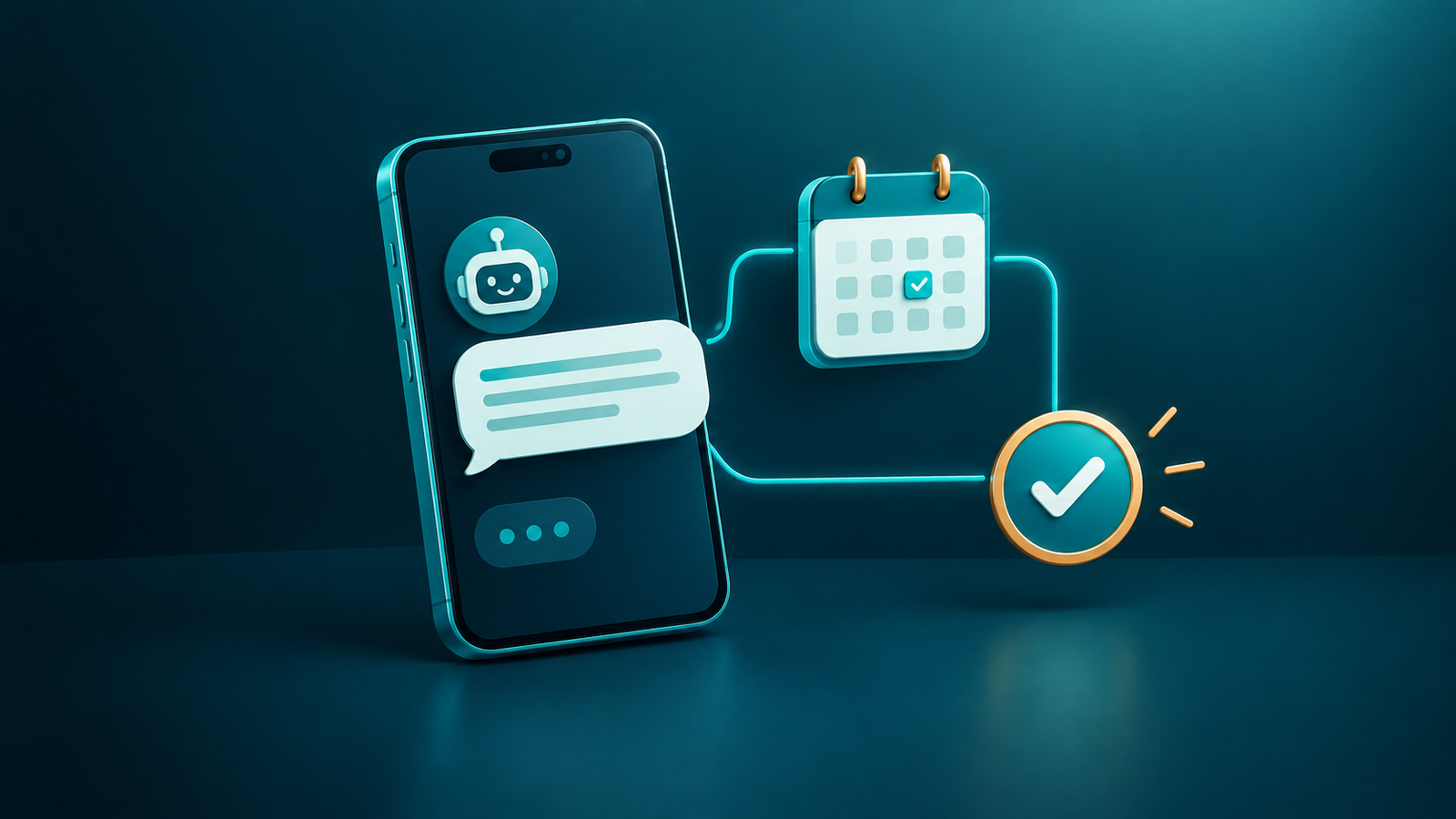
I want to clear up something first. Automation doesn’t mean replacing you with a robot that answers everything badly. It means handling the repetitive parts so you can focus on the conversations that need you.
Here’s what a simple setup does:
Imagine a coach who gets a message at 11pm from someone interested in her program. Without automation, it sits there until morning.
With automation, the person gets a warm reply within a minute. They answer two quick questions, get the link to book a call, and pick a time for Thursday. When the coach wakes up, there’s a new booking in her calendar and a note about what that person needs.
She didn’t do anything, and she didn’t lose the client..
This is the worry I hear most, and it’s a fair one. Nobody wants their business to sound like a machine.
The answer is that it comes down to how it’s written. A good automation uses your own words and tone, keeps messages short and natural, and doesn’t pretend to be something it isn’t. It should also make it easy to reach you personally, because for some questions, a real person is exactly what people want.
Done well, customers don’t feel like they’re talking to a robot. They just feel like they got a fast, helpful answer.
Ask yourself:
If you said yes to two or more, you’re probably losing leads and time you don’t need to lose.
The good news is that this is one of the easiest problems to fix. You don’t have to change how you work. You just stop doing the repetitive part by hand.
If you’d like to see what this could look like for your business, [Book a free call]. We’ll look at where your messages are getting stuck and what’s worth automating first.
None of this is glamorous. But it’s exactly the kind of steady, boring work your competitor probably did, and it’s why they’re the one showing up.
One honest note SEO isn’t instant. It usually takes a few weeks to a few months to see real movement. But businesses that fix these basics tend to end up ahead of those that wait, because most of your competitors haven’t done them either.
If you’d like help, I set up Google Business Profiles, fix on page SEO and speed up WordPress sites for small businesses and coaches. [Book a free call] and I’ll take a look at where you’re standing on Google right now

“Let’s turn ideas into reality. Feel free to reach out for collaborations, freelance projects, or just to say hello.”





WhatsApp us